Artificial intelligence in 2026 is defined a contradiction that would make no sense in a human. AI systems can solve extremely difficult mathematics, write software, and operate computers independently. Yet those same systems can still fabricate facts, struggle with basic reasoning, and fail at simple tasks.
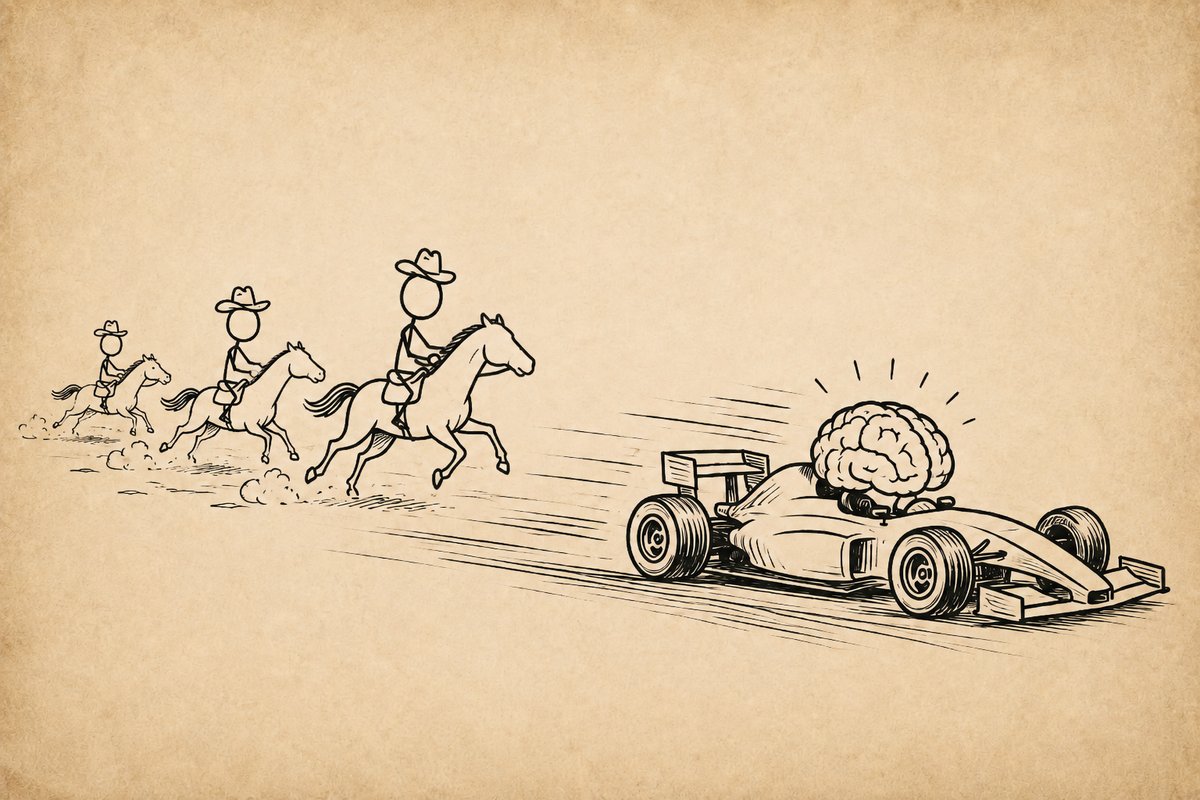
That contrast matters because it points to the real state of AI today:
AI is already powerful enough to reorganize work, but not reliable enough to remove humans from oversight.
The conversation around AI often focuses on whether models are getting smarter. They obviously are. But this capability development is not balanced. A model can excel at coding or mathematics and still fail terribly at another domain. Benchmark performance does not automatically translate into dependable real-world execution. At the same time, AI is shifting from answering questions to performing work.
Coding agents can inspect files, make changes, run tests, and correct errors. Other systems can research information, interact with applications, and execute multi-step workflows. The model is only one part of the solution. Tools, data, permissions, workflow design, and governance increasingly determine how useful an AI solution actually is. This creates a challenge for companies.
Many organizations have adopted AI tools, but relatively few have redesigned jobs and processes around them. Giving an employee access to an AI assistant is easy. Rebuilding a finance process, customer-service operation, or software-development workflow is much harder.
The evidence on productivity reflects the same pattern. AI can produce meaningful gains in areas such as customer service, software development, and content creation. But the benefits are not universal. In some cases, AI can even slow experienced workers down.
There is also a less obvious labor-market question. AI is particularly good at many tasks traditionally given to junior employees: research, reconciliation, documentation, basic analysis, and first drafts. Those tasks may be repetitive, but they are also how people learn.
If companies automate the first rung of the career ladder while continuing to need experienced professionals, they will eventually have to rethink how expertise is developed. That may be one of the most important questions in AI right now.
The primary constraint is no longer what the models can do; it is reliability, integration, process design, governance, infrastructure, and trust.
The technology moved faster than the organizations expected. The next phase of AI will depend on how we redesign work, not only on how much smarter the models become.
This consolidated report from Capital Workbench details some of these challenges (as of July 2026):
The State of AI, July 2026: From chatbots to an operating layer (PDF, 34 pages)